Guides · 15 August 2026 · 5 min read
Fridges, freezers and the law: WEEE disposal explained
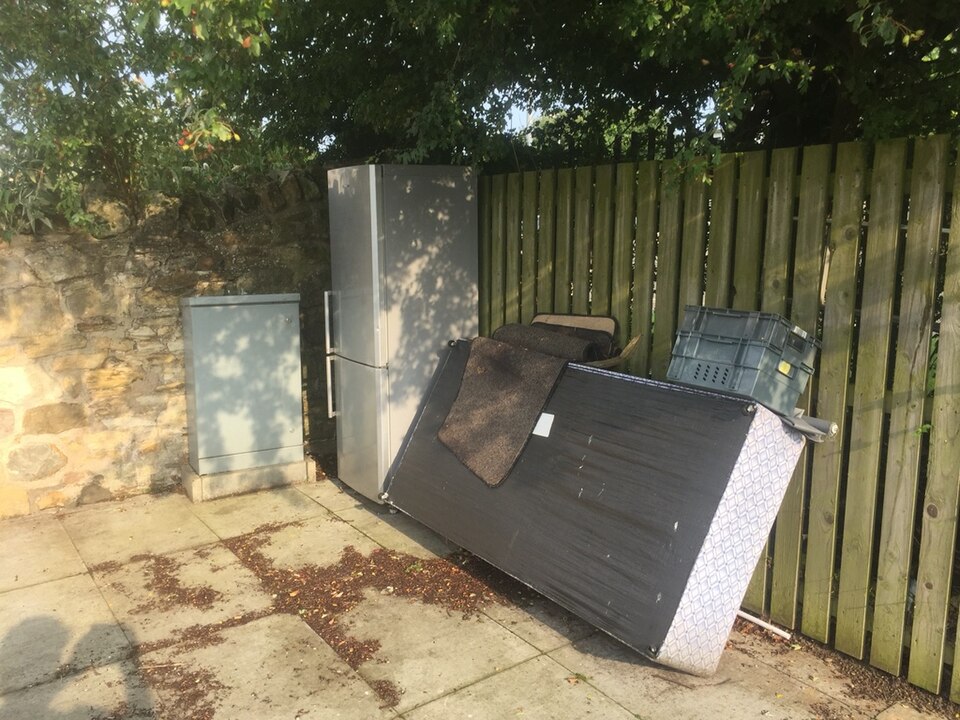
A fridge is the only object in your kitchen that is classed as hazardous waste the moment you stop wanting it. The reason is what is sealed inside: refrigerant gases and blowing agents in the insulation foam which, in older units especially, have a global warming potential hundreds to thousands of times that of CO2. One dumped fridge quietly leaking in a hedgerow undoes a lot of diligent recycling.
What the rules actually say
The UK WEEE regulations require anything with a plug, cable or battery to be treated at an approved facility rather than landfilled. For fridges the bar is higher again: they must be degassed, the refrigerant extracted and destroyed or reused, and the foam treated, before the metal shell can be shredded. This is why the council charges more for fridge collection, why scrap dealers will not take them whole, and why "fridge mountain" stories appear whenever a cheap shortcut gets found and shut down.
For households the duty is simple: hand it to someone authorised. For businesses disposing of appliances there is a paper trail, a waste transfer note, which we provide on every commercial job.
What happens at the treatment plant
Degassing first: the refrigerant circuit is punctured under controlled extraction and the gases drawn off. The compressor oil is drained. Then the carcass is shredded in an enclosed plant that captures the foam's blowing agents, and the fragments are separated into steel, aluminium, copper and plastics. An average fridge is around three-quarters metal by weight, all of it endlessly recyclable once the hazardous part is done properly.
The practical bit
Our pricing includes the licensed treatment fee, the two person crew and the carrying: a visit is £199 with the first appliance included, and each further appliance is £49. Empty the fridge, defrost the freezer if you can, and unplug it the night before. We take it from the kitchen, not the kerb, and it enters the WEEE stream with the paperwork intact. The same price covers washing machines, dishwashers and cookers, which are simpler beasts, no gas, mostly steel, but ride the same regulated route.
Reuse first, recycling second, energy recovery third, landfill last. That order, every load.
Ready for it to be gone?
Check your postcode, pick your route day, done in two minutes.