Guides · 8 October 2026 · 6 min read
Old paint tins: what is hazardous, what is not, and where the rest goes
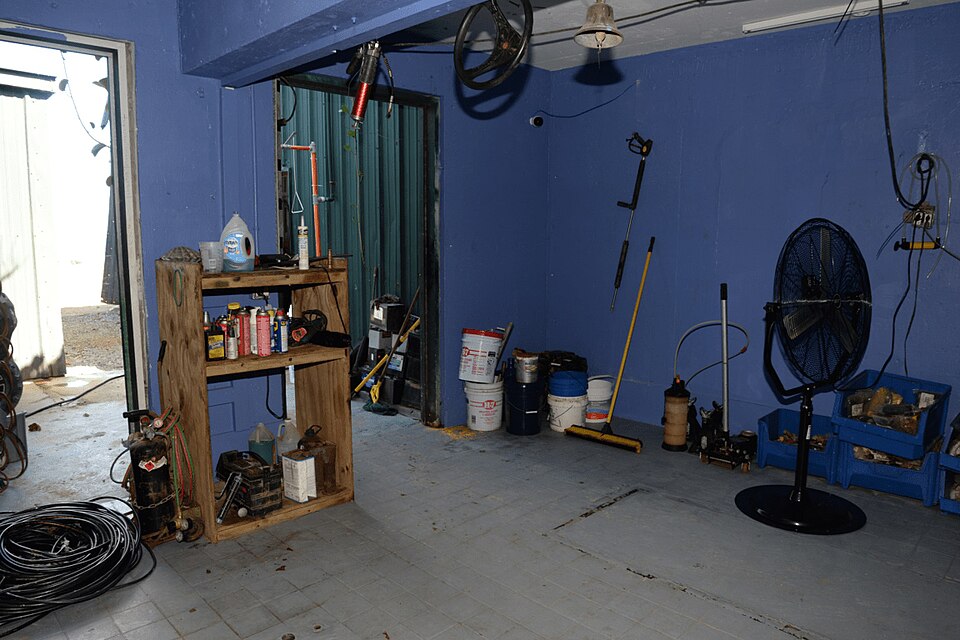
Every garage and shed in Britain has at least one old tin of paint in it, left over from a wall nobody remembers the colour of. Most people assume it is just another thing to throw out with everything else. It is not, and the reason is worth understanding before a half-tin of magnolia ends up down a drain or in a bin it is not allowed to be in.
The short version: paint while it is still liquid is treated as hazardous waste almost everywhere in the UK, whatever is written on the tin. Paint once it has properly dried or solidified is ordinary household waste. The whole guide is really about that one transition, and the two honest routes once you have made it.
Why liquid paint cannot just go in the bin
Solvent-based paints, oil, gloss, varnish and most wood stains, are explicitly classed as hazardous waste because of the solvents they carry, and councils treat them that way: a Household Waste Recycling Centre or a specialist collection, not the bin. Water-based emulsion is less toxic but is still liquid waste, and liquid waste in general is banned from landfill in the UK, so a bin lorry or a tip that takes general rubbish is not legally allowed to send a sloshing tin of it to landfill even if nobody stops you putting it in the bin on collection day.
The practical risk is pollution rather than any single big fine: paint poured down a sink or a drain travels straight into the water system, and a skip or a general waste load with liquid paint mixed through it can contaminate everything else in that load, turning material that would otherwise have been recycled into residual waste instead. That is also why we, and every other collection firm, will not take it loose on a normal visit.
Drying it out is the normal fix
- For a small amount, take the lid off and pour a thin layer onto thick cardboard or old newspaper in a ventilated spot, away from children and pets, and let it air dry fully before binning the card.
- For a bigger tin, mix in sand, soil, cat litter or a shop-bought paint hardener and stir. The paint sets solid in a few hours to a day rather than staying wet for weeks.
- Leave the lid off while it dries so the solvents or water can actually evaporate, a sealed tin of "drying" paint can sit wet for months.
- Once it is properly solid, right through, not just a skin on top, the tin counts as ordinary household waste and can go in general rubbish or to a normal recycling centre.
If it is still good, do not dry it out, give it away
A tin that is still usable is worth more wet than dry. Community RePaint, the UK network of paint reuse schemes, collects leftover but still usable paint and redistributes it to individuals, community groups and charities rather than letting it become waste at all. In 2022, the most recent full year the network has published figures for, its schemes collected 458,351 litres of reusable paint and passed on 285,495 litres of it for reuse, with a further 116,331 litres remanufactured into new "ReColour" paint rather than wasted. The network's own estimate is that around 50 million litres of the roughly 320 million litres of paint sold in the UK each year ends up wasted, which is the gap these schemes exist to close.
Most towns have a drop-off point, often a branch of a local reuse charity, and most only want full or close-to-full tins in good condition, not the inch left in the bottom of a tray. It takes one search for "Community RePaint" plus your town to find the nearest one, and it is free.
Tips are patchier about this than you would expect
Do not assume your nearest recycling centre takes liquid paint, because a lot of them simply do not. An industry survey by the British Coatings Federation found only around one in three UK household waste recycling centres accepted liquid paint at all, and that figure is not recent, so the honest advice is to check your own council's site before driving over with a boot full of tins. Many councils that do accept it only do so on specific hazardous waste days a few times a year, by appointment or permit, not as a walk-in service alongside the normal skips.
What we do with paint on a WasteSpeed visit
Dry or solidified paint tins are no different to any other item in a load, they go in the van and travel through the same general waste stream as everything else, no extra charge and no need to flag it when you book. Liquid paint, like other liquid chemicals, is on the short list of things we cannot carry on a normal collection, because it is hazardous waste and our vans and our disposal route are not licensed for it. Dry it out using the method above and it becomes something we take without a second thought, or take it liquid to your council's recycling centre on one of its hazardous waste slots. We would rather tell you that plainly than take it and quietly cause a problem at the other end.
The bottom line
Still good enough to paint a wall with: give it to a Community RePaint scheme near you, free, and it does the most good. No longer usable but still liquid: dry it with sand, soil, cat litter or a hardener until it is solid through and through, then it is ordinary rubbish. Already solid: bin it, or let us take it as part of any load. The only genuinely wrong move is pouring it away or leaving it liquid in a bin bag, because that is the one version of "getting rid of old paint" that actually causes harm.
Reuse first, recycling second, energy recovery third, landfill last. That order, every load.
Ready for it to be gone?
Check your postcode, pick your route day, done in two minutes.